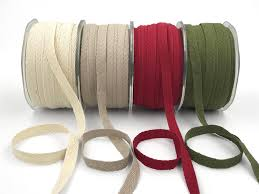
Cotton twill ribbon is an indispensable material for crafters, designers, and hobbyists alike. Known for its durability, versatility, and eco-friendliness, this type of ribbon is made from cotton fibers woven in a distinctive twill pattern. This pattern, characterized by its diagonal ribbing, not only enhances the ribbon’s strength but also gives it a subtle, sophisticated texture that sets it apart from Where to Find Cannabis in Paris other types of ribbons. Whether you’re looking to add a finishing touch to a handmade garment, create beautiful gift wraps, or undertake a DIY home decor project, cotton twill ribbon is a fantastic choice. This article delves into the various aspects of cotton twill ribbon, including its characteristics, uses, and the reasons behind its growing popularity in sustainable crafting.
Characteristics of Cotton Twill Ribbon
Cotton twill ribbon is made from natural cotton fibers, which are known for their softness, breathability, and biodegradability. The twill weave involves passing the weft thread over one or more warp threads and then under two or more warp threads, creating a pattern of diagonal parallel ribs. This weave not only enhances the visual appeal of the ribbon but also significantly improves its strength and durability compared to other types of ribbon weaves.
The thickness and texture of cotton twill ribbon can vary, making it suitable for a range of applications. It can be dyed in an array of colors and patterns, including solid colors, stripes, and even custom prints, ensuring that there is a cotton twill ribbon to suit any project or aesthetic.
Uses of Cotton Twill Ribbon
One of the key reasons for the popularity of cotton twill ribbon is its versatility. It can be used in numerous applications, including fashion, home decor, packaging, and crafting.
In fashion, cotton twill ribbon is often used for binding edges, creating straps, and adding decorative trims to garments. Its strength and durability make it ideal for high-stress areas such as waistbands and sleeve cuffs. Designers also appreciate the ribbon’s ability to hold its shape well, providing a neat, professional finish to handmade and bespoke clothing items.
Home decor enthusiasts use cotton twill ribbon to add a touch of elegance and personalization to their projects. It can be sewn onto cushions, curtains, and table linens, or used to create decorative bows and ties for everything from holiday decorations to everyday home accessories. Its natural, understated look complements a wide range of interior design styles, from rustic and vintage to modern and minimalist.
For gift wrapping, cotton twill ribbon is an excellent choice. Its sturdy weave ensures that bows and knots remain secure, while its soft texture adds a luxurious feel to wrapped packages. Moreover, the eco-friendly nature of cotton twill ribbon makes it a sustainable alternative to synthetic ribbons, aligning with the growing trend of environmentally conscious gift-giving.
In crafting, the applications of cotton twill ribbon are nearly limitless. It can be used in scrapbooking, card making, and various DIY projects. Crafters often appreciate the ribbon’s ability to be easily manipulated and securely attached to different surfaces, whether through sewing, gluing, or tying.
The Sustainability of Cotton Twill Ribbon
As sustainability becomes an increasingly important consideration in consumer choices, cotton twill ribbon stands out as an eco-friendly option. Cotton is a renewable resource, and when grown organically, it has a minimal environmental impact. Organic cotton farming avoids the use of harmful pesticides and synthetic fertilizers, promoting soil health and reducing water consumption.
Moreover, the biodegradability of cotton twill ribbon ensures that it will not contribute to long-term pollution. Unlike synthetic ribbons made from petroleum-based materials, cotton twill ribbon will naturally break down over time, returning to the earth without leaving harmful residues. This makes it a responsible choice for environmentally conscious crafters and consumers who are looking to reduce their ecological footprint.
Additionally, many manufacturers of cotton twill ribbon are adopting sustainable practices throughout their production processes. This includes using eco-friendly dyes, reducing water and energy consumption, and ensuring fair labor practices. By choosing cotton twill ribbon from such manufacturers, consumers can further support sustainable and ethical production methods.
Caring for Cotton Twill Ribbon
To ensure the longevity and appearance of cotton twill ribbon, proper care is essential. Here are a few tips to help maintain its quality:
Washing: If the ribbon becomes soiled, it can be hand-washed in cold water with a mild detergent. Avoid using bleach or harsh chemicals, as these can damage the fibers and colors.
Drying: After washing, lay the ribbon flat to air dry. Avoid wringing or twisting the ribbon, as this can cause it to lose its shape.
Ironing: If the ribbon becomes wrinkled, it can be gently ironed on a low heat setting. Place a cloth over the ribbon to protect it from direct heat and prevent scorching.
Storage: Store the ribbon in a cool, dry place, away from direct sunlight. This will help prevent fading and degradation over time. Keeping the ribbon neatly wound or on spools will also help maintain its shape and prevent tangling.
Conclusion
Cotton twill ribbon is a versatile, durable, and sustainable material that offers numerous benefits for a wide range of applications. Its distinctive twill weave and natural fibers make it an attractive choice for fashion, home decor, gift wrapping, and crafting projects. As consumers become more mindful of their environmental impact, the eco-friendly nature of cotton twill ribbon further enhances its appeal.
Whether you are a professional designer, a dedicated crafter, or someone who simply enjoys adding a personal touch to your projects, cotton twill ribbon is a valuable addition to your toolkit. Its combination of strength, versatility, and sustainability ensures that it will continue to be a favored material for years to come.