
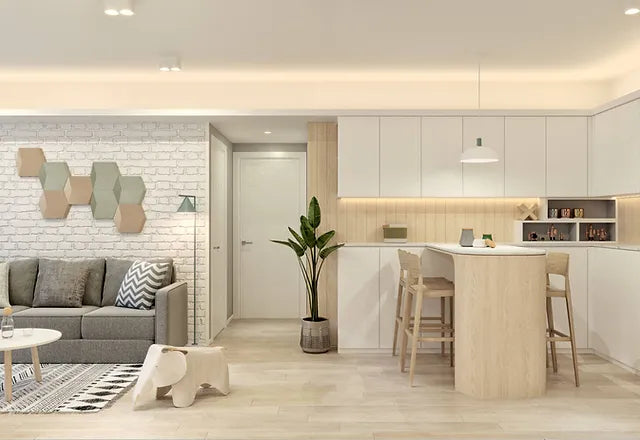
Creating a home that demonstrates personal style, comfort, and functionality is a goal shared by homeowners everywhere. Whole home decoration is an approach that considers every space in a residence, ensuring that each room contributes to a cohesive, harmonious, and successfully appealing environment. Unlike decorating individual rooms in isolation, whole home decoration highlights the flow, balance, and unity of design throughout the entire home. This method allows homeowners to achieve a location that feels well-planned, considerately curated, and deeply reflective of their lifestyle.
One of the key benefits of whole home decoration is the creation of a cohesive aesthetic. When every room follows a regular theme, color palette, and design principle, the home feels organized and harmonious 家居裝修. For instance, selecting contributory tones for wall colors, furniture, and accent pieces can tie the living room, kitchen, bedrooms, and even hallways together. By focusing on the overall design concept, homeowners avoid the ill composed feeling that often comes from decorating rooms individually without considering the larger picture. This method also ensures that transitions between spaces are smooth and successfully pleasing.
Lighting plays a significant role in whole house decoration. A well-thought-out lighting plan enhances the functionality and ambiance of the home. In modern design, layered lighting is often recommended, combining background, task, and accent lighting to create depth and versatility. For example, pendant lights in the kitchen can complement recessed lighting in the living area, while strategically placed lamps and wall sconces improve the mood in bedrooms and reading corners. Proper lighting can transform spaces, mentioning industrial features, artworks, or textures, and creating a welcoming and comfortable environment throughout the home.
Furniture selection is another critical part of whole home decoration. Every piece should serve a motive while adding to the overall style of the home. In open-concept templates, furniture placement can define specific zones, separate functions, and look after flow. Designers often suggest choosing pieces with clean lines, versatile forms, and durable materials to ensure longevity and flexibility. A regular style, whether contemporary, minimal, traditional, or eclectic, allows each room to feel connected while still maintaining its individual character. Incorporating multifunctional furniture can also maximize space, particularly in smaller homes where efficiency is essential.
Color is a central aspect in whole home decoration. Harmonious color schemes create visual continuity, making the home feel specific and deliberate. Many decorators recommend using a colour pallette of three to five contributory colors that can be applied throughout various elements of the home, such as walls, furniture, fabrics, and decorative decorations. Natural tones often serve as a base, providing a flexible history for pops of color in carpets, soft cushions, or wall art. By considerately coordinating colors, homeowners can establish mood, convey personality, and improve the overall selling point of their living spaces.
Texture and materials also contribute significantly to the atmosphere of a home. Combining different textures—such as wood, metal, stone, glass, and fabric—adds depth and interest to interior spaces. In whole house decoration, materials are selected not only for aesthetic appeal additionally durability and functionality. For example, natural wood flooring can create warmth and complexity, while stone countertops in the kitchen offer usefulness and style. Layering textures through soft furnishings like carpets, throws, and soft cushions further enhances comfort and visual conspiracy throughout the home.
In addition to appearance, whole home decoration highlights functionality and efficiency. Every room should fulfill the practical needs of its occupants. Kitchens should be organized for workflow efficiency, bedrooms should promote relaxation, and living areas should accommodate social gatherings comfortably. Smart storage solutions, ergonomic desk templates, and carefully planned furniture arrangements ensure that the home is not only beautiful but also highly livable. This balance of form and function is a feature of successful whole home decoration, where every design choice enhances both comfort and usability.
Artwork and decorative elements play a significant role in defining the personality of a home. Whole home decoration encourages selecting pieces that resonate with the homeowner’s tastes while maintaining harmony with the overall design scheme. Artworks, pictures, sculptures, and plants can be strategically placed to create things, enhance visual flow, and add character to each room. Innovative incorporation of personal items, heirlooms, or travel mementos can further customize the space, making it feel truly unique and reflective of the family’s story.
Another essential aspect of whole home decoration is the integration of technology. Modern homes increasingly rely on smart devices, lighting systems, and climate control solutions that enhance convenience and efficiency. In a well-decorated home, technology is faultlessly integrated to fit the aesthetic rather than take away from it. For instance, hidden electrical wiring, sleek control panels, and very discreet smart appliances maintain a clean, finished look while improving functionality. This balance between innovation and style ensures that the home remains comfortable and future-ready.
Whole home decoration also pays awareness of the flow of movement and spatial arrangement. Open spaces, clear trails, and innovative furniture placement make the home feel expansive and welcoming. Circulation between rooms should feel natural, with visual connections that guide a person’s eye and create harmony. Designers often use carpets, lighting, and furniture arrangement to softly define specific zones while maintaining openness and coherence. This awareness of spatial flow ensures that the home feels organized, comfortable, and easy to navigate.
Sustainability is becoming an important consideration in whole house decoration. Eco-friendly materials, energy-efficient lighting, and responsible furniture sourcing are increasingly valued by homeowners. Using sustainable practices not only benefits the surroundings but also enhances the overall quality and longevity of the home. Natural materials, low-VOC paints, and recycled furnishings contribute to healthier indoor environments while reinforcing a innovative and deliberate design approach. Sustainability in whole house decoration demonstrates a bigger knowing of environmental impact and long-term living quality.
Finally, whole home decoration often involves a professional touch. Interior designers and decorators bring expertise, creativity, and experience that ensure every element of the home works together faultlessly. They help homeowners clarify their vision, select appropriate materials, and execute a cohesive design plan. Even for those who prefer DIY approaches, studying principles of whole home decoration—such as color harmony, spatial planning, and texture layering—can make a significant difference in achieving a finished and specific result.