
Baby milk powder, also known as infant formula, is a vital nutritional source for infants who are not breastfed or who require supplementation. It is specially formulated to provide essential nutrients crucial for the healthy development of babies during their first year of life. 初生嬰兒奶粉 what you need to know about baby milk powder, its types, benefits, and how to choose the best one for your baby.
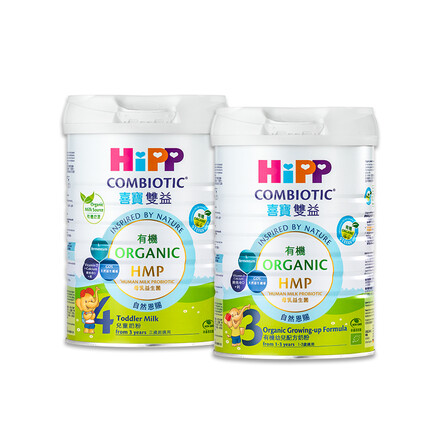
Types of Baby Milk Powder
Cow’s Milk-Based Formula:
Most baby milk powders are made from cow’s milk that has been modified to resemble breast milk in nutrient composition. It typically includes added vitamins, minerals, and fatty acids.
Soy-Based Formula:
Designed for babies who cannot tolerate lactose or have dairy allergies, soy-based formulas use soy protein as the primary protein source.
Specialized Formulas:
Hydrolyzed Formula: Predigested proteins for babies with allergies or sensitivities.
Lactose-Free Formula: For babies with lactose intolerance.
Preemie Formula: Specifically for premature infants with higher calorie and nutrient needs.
Benefits of Baby Milk Powder
Nutrient-Rich: Contains essential vitamins (like A, D, E, and K), minerals (calcium, iron), and fatty acids crucial for brain and eye development.
Convenience: Ready-to-use or easily mixed with water, making feeding simpler.
Safety: Formulated to meet strict safety and nutritional standards, ensuring proper growth and development.
Choosing the right Baby Milk Powder
Consult with Healthcare Providers: Discuss your baby’s needs with pediatricians to choose the most suitable formula.
Consider Baby’s Health Needs: Select formulas tailored to any allergies, intolerances, or special dietary requirements your baby may have.
Read Labels Carefully: Look for ingredients like DHA (Docosahexaenoic Acid) and ARA (Arachidonic Acid) which support brain and eye development.
Formula Consistency: Ensure the texture and taste suit your baby’s preferences, as some may prefer thinner or thicker consistencies.
Preparation and Feeding Tips
Follow Mixing Instructions: Always use the recommended water-to-powder ratio to avoid over or under dilution.
Proper Sterilization: Sterilize bottles and nipples to maintain cleanliness and prevent infections.
Storage: Store powder in a cool, dry place and use within the expiration date for optimal nutrition.
Conclusion
Choosing the right baby milk powder is essential for your baby’s growth and development. Understanding the types available and their specific benefits can help you make an informed decision. Always consult healthcare professionals for guidance tailored to your baby’s individual needs to ensure they receive the best possible nutrition during their early stages of life.